Can oil painting style carpets truly integrate art into everyday home decor?
Publish Time: 2025-12-22
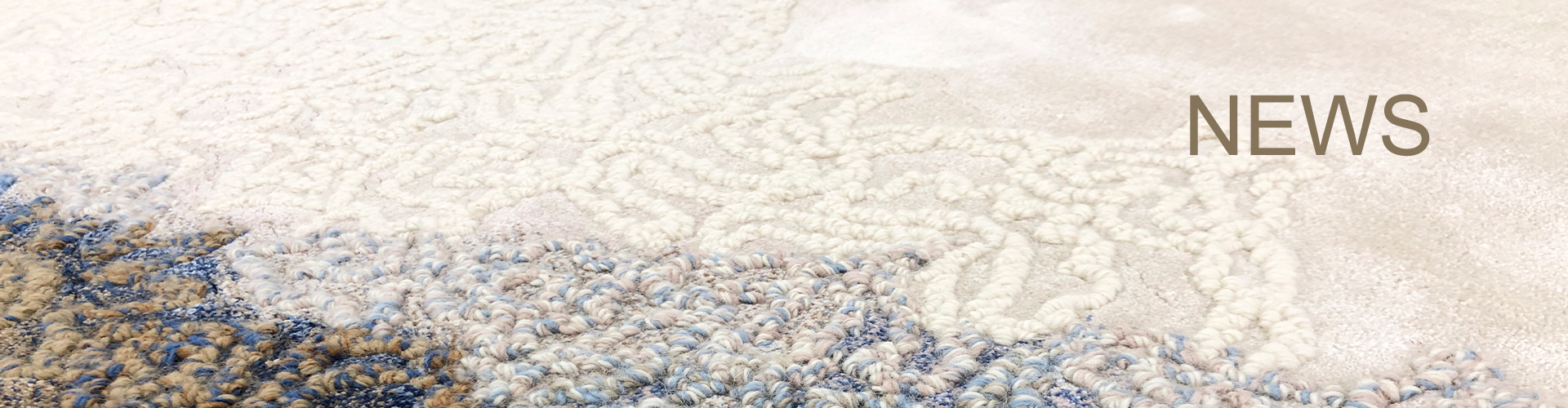
In contemporary interior design, carpets have long transcended their function as mere floor coverings, becoming crucial elements for expressing aesthetics, creating atmosphere, and conveying cultural taste. Oil painting style carpets, with their painterly color layers, brushstroke textures, and rhythmic composition, subtly blend the profundity of classical art with the warmth of modern life. These carpets often use natural wool yarns—including fine domestic wool, high-count imported wool, soft silk, and environmentally friendly regenerated cellulose fibers—and employ exquisite hand or semi-hand weaving techniques to create "walkable works of art" that can be laid out in living rooms, studies, or bedrooms.Wool, as the core material, gives oil painting style carpets an irreplaceable texture and vitality. Its natural curly structure forms a rich, fluffy pile that precisely captures changes in light, allowing colors to subtly transition at different angles, much like the thick application and blending of oil paint on canvas. Imported high-fat wool fibers are longer and more elastic, resulting in patterns with clear edges and a strong three-dimensional effect. Domestic high-quality wool, on the other hand, is known for its warm and soft texture, suitable for expressing a hazy, dreamlike atmosphere. When blended with silk, certain areas develop a unique silk sheen, mimicking the shimmering effect of highlights in oil paintings, adding visual dynamism. The addition of regenerated cellulose fibers not only enhances environmental friendliness but also improves comfort underfoot due to their moisture-wicking and breathable properties, ensuring that artistic beauty and practicality coexist.Pattern design is the soul of oil painting style carpets. It's not simply a reproduction of famous paintings but rather an extraction of the light and shadow rhythms of Impressionism, the symmetrical composition of Classicism, or the free brushstrokes of Abstract Expressionism, transforming them into original patterns suitable for the carpet's scale. Some use Morandi colors to create a tranquil elegance, others use intense red and blue contrasts to recreate Van Gogh's passion, and still others mimic the flowing feel of watercolor through gradient color blending. The dyeing of each yarn is carefully adjusted to ensure natural color transitions, avoiding the harsh boundaries of digital printing. This relentless pursuit of color and composition transforms the carpet from a backdrop into a visual focal point within the space.On a craftsmanship level, hand-knotting or tufting techniques allow designers to achieve millimeter-level detail control. High knot density creates smooth curves and clearly defined silhouettes; varying pile heights mimic the thickness and texture of oil paintings, allowing one to feel the undulations of "brushstrokes" with a light touch. This tactile dimension extends the art experience from visual to physical perception, enabling residents to intimately interact with the artwork as they walk and sit.More importantly, oil painting style carpets, with their softness and sound-absorbing properties, infuse warmth and tranquility into the space. Natural wool itself has humidity-regulating, flame-retardant, and antibacterial properties, combined with a chemical-free plant-based dyeing process, ensuring a healthy and safe home environment. It can create tension with minimalist furniture or harmonize with vintage furnishings, subtly elevating the overall style.Ultimately, the reason why oil painting style carpets can integrate art into daily life is not merely because the patterns "resemble paintings," but because of the deep fusion of materials, colors, craftsmanship, and emotions. It allows art to step out of the frame and onto the ground, becoming a part of life—every pause is an encounter with beauty; every step is treading on poetry. This small piece of fabric is not only the crystallization of the craftsman's painstaking efforts but also a gentle declaration of the resident's aesthetic sense and attitude towards life.